

Old Radomir was a man rarely born. He spent his entire life in worn-out shoes, with a hoe in his hands, sweating over the fields to raise his two sons – Branko and Ilija. Though they ate the same bread from the same table, the brothers were like night and day. Branko, the elder, always avoided work. As soon as he grew up, he moved to the city, finished some schools quickly, and got into real estate. He wore expensive suits and forgot the scent of his homeland. Ilija, on the other hand, stayed with his father. His hands became calloused, his face tanned by the sun, but his heart remained pure.
When Radomir fell ill, Branko was nowhere to be found. He made excuses about “important meetings” and “big deals,” occasionally sending a hundred euros through a bus driver, thinking a clear conscience could be bought. Ilija was the one who stayed by his father’s side at night. He bathed him, fed him, and listened to his final, heavy breaths. Radomir often whispered softly to Ilija with his cloudy old eyes: “My son, I know who loves me and who merely tolerates me. Don’t worry, I see everything, I know everything.”
When Radomir passed away, Branko arrived at the funeral in his newest black SUV. He brought his wife in a fur coat, even though it was early October, and pretending the deepest sorrow, he was first in line to offer condolences. Ilija stood to the side in his father’s old woolen jacket, silent in his grief. The village watched and whispered. Everyone knew who had brought the old man water and who had come just to see how big the hole was dug.
Just seven days after the funeral, while the soil on his father’s grave was barely settled, Branko called a family meeting. He didn’t come alone. He brought two lawyers in gray suits, carrying piles of documents. Sitting at the head of the table in his father’s chair, he crossed his legs and coldly looked at his brother.
“Listen, Ilija,” Branko began, twirling the keys to his expensive car. “Father didn’t leave a will. By law, we split everything in half. But I have a vision. I’m a businessman; I need capital. You’re used to little anyway.”
Branko’s lawyers quickly spread out maps and plans of the estate. Without a trace of shame, Branko circled all the fertile fields on the plain, ten hectares of the best oak forest, and the large stone house where they grew up.
“I take this. I’ll sell the forest and fields to investors building a warehouse, and turn the house into a vacation home. You get the old hut at the edge of the village and that barren, rocky hill behind it. That’s your level anyway; you like guarding sheep there.”
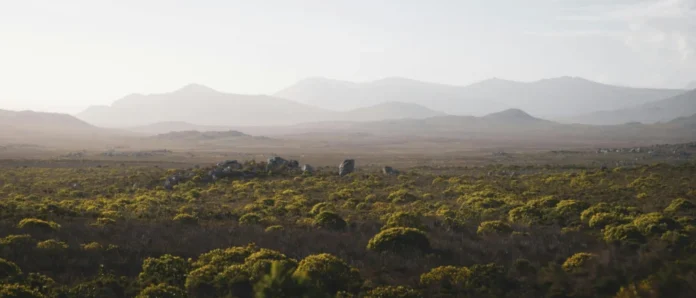
Ilija looked at the paper. The barren hill was a piece of land where, as the village said, not even weeds could take root. Bare rock and dry soil, no access road. The lawyers waited for Ilija to explode, scream, grab an axe, as usually happens when brothers divide inheritance. Branko was already ready for court, convinced he could easily crush his peasant brother with money.
But Ilija simply sighed. He looked at his brother, then at the picture of their late father on the wall, under which the candle still burned. He didn’t want to soil his father’s honor. He didn’t want the village gossiping over their feud at a fresh grave. He took the ordinary pen and quietly signed the papers where the lawyers pointed.
“Keep it simple, brother,” Ilija said quietly but firmly. “You take your money and your pride, I take my rock and my peace. We no longer have our father, and apparently, I don’t even have a brother.”
Branko smirked, grabbed the papers, and left for the city the same day. In the following months, he sold all the land, cut down the forest, and spent the huge fortune on gambling and failed ventures. Meanwhile, Ilija moved into the old, abandoned hut. Every morning at dawn, he went to that cursed barren hill with pick and shovel, hoping to clear some soil for planting potatoes. He had no idea what awaited him beneath that gray, harsh stone.
Months passed. While neighbors plowed soft, black earth with tractors, Ilija dug rock by rock with his bare hands and rusty pick. His hands were blistered, his sweat stung his eyes under the hot summer sun. The village pitied him. “That’s honesty for you,” they said. “His brother bathes in millions while he breaks his back on a hill where not even snakes lie.” But Ilija stayed silent. In hard work and the quiet of nature, he found peace and slept soundly at night.
One hot August morning, he decided to clear the ground around the only old, gnarled oak that had miraculously survived atop the rocky hill. Swinging the pick with all his strength, he struck something hard and metallic beneath the dry soil. Sparks flew. He knelt, brushing sweat from his forehead, and began carefully uncovering a solid object.
Slowly, he pulled out an old military tin box, heavy and covered in rust and dirt. Sitting under the oak, Ilija struck the lock with a stone, and the lid creaked open. Inside, instead of weapons or medals, lay a stack of old official documents wrapped in waxed cloth, and a letter in his father Radomir’s familiar, trembling handwriting.
“My son, my Ilija,” it read. “I knew from day one how this would end. I knew your brother would take all the fertile land, the house, and the forest out of greed. I knew he would bring lawyers, and you would say nothing to protect my name. Branko’s eyes are blinded by money. He sees only the surface, not what lies beneath.”
Tears blurred Ilija’s vision as he read further: “Listen carefully, son. This barren hill your brother mocked hides the greatest secret of our land. Thirty years ago, I secretly brought engineers here from the city. Right beneath this old oak run five underground veins of the purest mountain water. In this box are ownership papers and concessions I secretly paid for over the years. I didn’t want Branko to know, because he would sell it immediately to outsiders. I leave it to you, for I know you are the only one who won’t sell the inheritance. Dig deep, son, and let the water flow. Your father, Radomir.”
Ilija dropped the letter, hugged the rusted box, and cried with all his heart. The sound echoed over the barren hill. He realized the depth of his father’s wisdom and love. The next day, he brought craftsmen with heavy drills to the village. Just twenty meters below the oak, a jet of icy, crystal-clear water burst from the earth – the finest spring in the region.
Within a few years, the barren hill transformed beyond recognition. Ilija built a small ethno-tourist site, a water bottling plant that won multiple awards, and a beautiful wooden house. He became the most respected landowner in the county, giving work to the villagers. Meanwhile, Branko’s empire collapsed. City investors took everything he had, leaving him in huge debt. His wife left him, and he ended up on the street, penniless and ashamed.
One cold autumn night, a man knocked at the gate of Ilija’s beautiful estate. Wet, in a dirty coat, bent over. It was Branko. He had nowhere left to go. Ilija came out, and Branko fell to his knees, asking through tears for a glass of water from the hill he once mocked and a roof over his head. Ilija, a man of pure heart, let him in, gave him dry clothes and a job in his factory. He never spoke a harsh word, and each morning Branko carried crates of water on the “worthless” rocky hill, swallowing bitter tears of shame for what he had done.